
Introduction
Business plan documents help entrepreneurs organize their business ideas, understand financial requirements, identify potential customers, and plan for long-term growth. Whether you are starting a small business, launching a startup, or expanding an existing company in India, the right documents can help you make informed decisions and present your business professionally.
A well-prepared set of business plan documents explains what your business does, who your customers are, how you will generate revenue, and what resources you need to succeed. These documents can also support discussions with banks, investors, business partners, and other stakeholders.
In this guide, you will learn about the essential business plan documents, their purposes, the information they should contain, and how to prepare them for your business in India.
What Are Business Plan Documents?
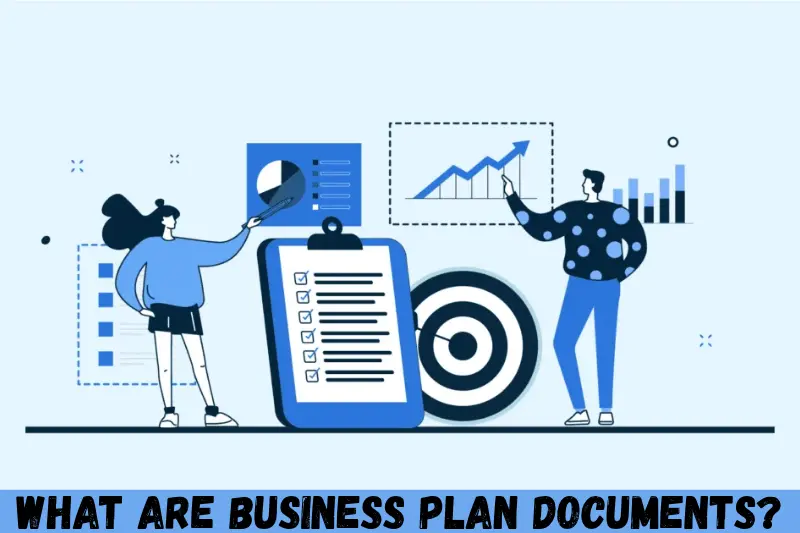
Business plan documents are written records that explain a business’s objectives, strategies, operations, target market, and financial expectations. They provide a structured way to turn a business idea into a practical plan.
These documents may be combined into one comprehensive business plan or prepared separately according to the business’s requirements.
For example, someone planning to open a clothing store in India may prepare a business overview, market research report, marketing strategy, startup budget, sales forecast, and operational plan. Together, these documents explain how the store will operate and aim to become profitable.
Business plan documents are useful for:
- Entrepreneurs starting a new business.
- Startup founders seeking investment.
- Small business owners planning expansion.
- Companies applying for business loans.
- Business partners evaluating a new opportunity.
- Existing businesses reviewing their performance and goals.
The documents required will depend on the business model, industry, funding requirements, and stage of development.
Why Are Business Plan Documents Important?
Business plan documents are important because they help business owners make decisions based on research, budgets, and clearly defined objectives rather than assumptions.
They also make it easier to explain a business idea to people who may provide funding, expertise, equipment, or other support.
1. They Provide Clear Business Direction
A business plan helps you define your objectives and decide how to achieve them. It identifies your target customers, products or services, competitive advantages, and growth priorities.
For instance, a digital marketing agency can use a business plan to identify its ideal clients, select service packages, estimate monthly expenses, and establish realistic sales targets.
2. They Help Estimate Financial Requirements
Financial planning documents help you estimate how much money you need to launch and operate your business.
They can include expenses such as rent, salaries, equipment, inventory, marketing, software, and utilities.
Understanding these costs before launching can help you avoid underestimating the capital required to keep your business running.
3. They Support Funding Applications
Banks, investors, and other funding providers may ask for a business plan or supporting financial information before evaluating a funding request.
A clear plan helps explain how the business intends to generate revenue, manage expenses, and repay borrowed funds or deliver returns to investors.
However, preparing a business plan does not guarantee loan approval or investment.
4. They Improve Business Decision-Making
Market research, financial forecasts, and operational plans allow you to compare different business opportunities.
For example, you can estimate whether opening a physical shop, selling through an online marketplace, or operating through your own website is more practical for your budget and customers.
5. They Help Measure Business Performance
Business goals become more useful when they are measurable.
A business can compare its actual revenue, expenses, customer acquisition, and sales against its original targets. This makes it easier to identify problems and adjust the strategy.
Essential Business Plan Documents Every Entrepreneur Should Know
The essential business plan documents vary by business type, but several documents are useful for most new businesses.
1. Executive Summary
An executive summary provides a brief overview of your business and its objectives. It is usually placed at the beginning of a business plan, although it is often easier to write after completing the other sections.
It should explain:
- Business name and location.
- Products or services offered.
- Target customers.
- Market opportunity.
- Business objectives.
- Revenue model.
- Funding requirements, if applicable.
Example: A proposed online grocery business could summarize its product range, delivery area, customer segment, competitive advantage, and expected sources of revenue.
Keep the summary clear and focused so readers can quickly understand the business opportunity.
2. Business Description Document
The business description explains what your business does, how it operates, and what makes it different from competitors.
Include the business concept, mission, vision, ownership structure, location, products or services, and long-term objectives.
For a service-based company, describe the services offered and the problems they solve. For a manufacturing business, explain the products, production process, and intended customers.
This document establishes the foundation for the rest of the business plan.
3. Market Research Document
Market research helps you understand your customers, competitors, and industry conditions before investing significant resources.
A useful market research document covers:
- Target audience and customer needs.
- Customer purchasing behaviour.
- Competitor products and pricing.
- Industry trends supported by reliable evidence.
- Geographic demand.
- Potential market opportunities and risks.
For example, someone planning to start a bakery could research nearby bakeries, popular products, local pricing, customer preferences, and potential demand for customised cakes.
Use credible sources such as government publications, industry reports, customer surveys, and direct competitor research. Clearly distinguish verified information from estimates.
4. Products and Services Document
This document explains what your business will sell and why customers may choose your offering.
Include product features, service details, pricing, delivery methods, customer benefits, and any important suppliers or production requirements.
You should also explain how your offering differs from alternatives in the market.
For example, a clothing brand might focus on affordable everyday clothing, custom designs, or specialised sizes. The document should explain the intended customer and how the products meet that customer’s needs.
Avoid making claims about product quality, performance, or demand that you cannot support.
5. Marketing and Sales Plan
A marketing and sales plan explains how you will attract potential customers, convert interest into purchases, and encourage repeat business.
It should identify the channels you intend to use and how you will evaluate their performance.
Common marketing activities include:
- Search engine optimisation (SEO).
- Social media marketing.
- Email marketing.
- Paid advertising.
- Partnerships and referrals.
- Local promotions.
- Content marketing.
The sales section should explain pricing, the sales process, customer service, distribution channels, and sales targets.
For example, a small online store may use SEO to attract search traffic, social media to showcase products, and email marketing to encourage repeat purchases.
Choose marketing channels based on your audience, budget, and business objectives rather than trying to use every available platform.
6. Financial Plan Document
The financial plan is one of the most important business plan documents because it explains the expected costs, revenue, cash requirements, and financial sustainability of the business.
Depending on the business, it may include:
- Startup cost estimates.
- Sales and revenue forecasts.
- Operating expense projections.
- Profit and loss projections.
- Cash flow forecasts.
- Break-even analysis.
- Funding requirements.
- Loan repayment assumptions, where relevant.
For example, a small retail business may need to estimate inventory purchases, shop rent, employee salaries, electricity, packaging, and monthly sales.
Use realistic assumptions and explain how you calculated your estimates. It is also useful to prepare conservative, expected, and optimistic scenarios to understand how changes in sales or costs could affect the business.
7. Operational Plan Document
An operational plan explains how the business will deliver its products or services on a daily basis.
It identifies the people, processes, equipment, suppliers, and facilities needed to operate effectively.
Depending on the business, include:
- Business location and working hours.
- Equipment and technology requirements.
- Suppliers and inventory management.
- Production or service delivery procedures.
- Staffing and responsibilities.
- Quality control.
- Customer support.
- Delivery and logistics arrangements.
For an online business, operations may include website management, order processing, payment collection, packaging, shipping, and handling customer complaints.
A practical operational plan helps turn your business strategy into repeatable activities.
8. Management and Team Document
This document explains who will manage the business and what responsibilities each person will have.
Include the owner’s background, relevant skills, key team members, management responsibilities, and any important staffing requirements.
If you plan to hire employees, describe the roles needed and when those positions may become necessary.
For a new business with a small team, one person may handle several responsibilities. The important point is to identify who will manage each critical function.
If specialised skills are required, explain whether you will hire employees, work with contractors, or obtain professional advice.
9. Risk Assessment Document
A risk assessment identifies possible problems that could affect your business and explains how you intend to manage them.
Common business risks include:
- Lower-than-expected sales.
- Rising supplier costs.
- Delayed customer payments.
- Strong competition.
- Equipment failure.
- Supply chain disruptions.
- Regulatory or compliance changes.
- Cybersecurity and data protection issues.
For each significant risk, estimate its potential impact and identify practical preventive measures.
For example, a retailer that depends on one supplier could identify alternative suppliers to reduce the risk of stock shortages.
Risk planning cannot eliminate uncertainty, but it can help you prepare for problems before they become serious.
10. Business Goals and Growth Plan
A business goals document defines what you want to achieve and the steps required to reach those objectives.
Goals should be specific, measurable, realistic, relevant, and time-bound.
For example, a new online store might aim to increase monthly sales, improve customer retention, or expand its delivery area within a defined period.
Include short-term objectives, long-term ambitions, important milestones, and the resources required to achieve them.
Review these goals regularly and update them when market conditions or business priorities change.
Legal and Supporting Documents for Businesses in India
Business plan documents should be distinguished from legal and registration documents. A business plan explains your strategy, while legal documents establish or support the business’s legal, tax, contractual, and regulatory arrangements.
Depending on your business structure and activities, supporting documents may include the following.
Business Registration Documents
These documents establish or evidence the business’s legal structure or registration status.
Examples may include:
- Certificate of Incorporation for a registered company.
- Partnership deed for a partnership firm.
- Limited Liability Partnership (LLP) incorporation documents.
- Applicable registration or licence documents for a proprietorship.
The appropriate documents depend on the chosen legal structure and applicable requirements.
PAN and Tax-Related Documents
A Permanent Account Number (PAN) may be required for relevant tax and financial activities. Businesses may also need tax records, income tax returns, or other financial documentation depending on their legal structure and circumstances.
Goods and Services Tax (GST) registration applies when required under the relevant rules. GST registration is not automatically compulsory for every business in every situation.
Confirm the requirements applicable to your business rather than assuming that every registration applies to every entrepreneur.
Bank Statements and Financial Records
Bank statements and financial records may help demonstrate financial activity, existing obligations, available funds, and the business’s financial position.
For a new business, personal financial information may sometimes be requested, depending on the funding provider and business structure.
Keep records accurate and consistent with your financial projections.
Licences and Industry-Specific Approvals
Certain industries require additional registrations, permissions, or licences.
For example, a food business may need to assess applicable Food Safety and Standards Authority of India (FSSAI) requirements. Businesses in other regulated sectors may have separate compliance obligations.
Check the current requirements with the relevant government authority or a qualified professional before beginning regulated activities.
Contracts and Agreements
Contracts may include partnership agreements, supplier agreements, lease agreements, employment documents, and customer contracts.
These documents clarify responsibilities, payment terms, service expectations, and other important business arrangements.
Not every contract needs to be included in the main business plan, but relevant agreements may be requested during funding, partnership, or due diligence discussions.
How to Prepare Business Plan Documents Step by Step
Preparing business plan documents becomes easier when you follow a structured process. You do not need to write every document at once.
Step 1: Define Your Business Idea
Start by explaining what your business will offer, who it will serve, and what customer problem it will solve.
Write a short description that another person can understand without additional explanation.
Step 2: Research Your Target Market
Identify potential customers and study their needs, preferences, and purchasing behaviour.
Research competitors and compare their products, pricing, service quality, and marketing approaches. Use reliable information wherever possible.
Step 3: Prepare a Business Model
Explain how your business will generate revenue.
For example, revenue could come from product sales, service fees, subscriptions, commissions, or a combination of different sources.
Identify your main costs and explain why customers would choose your offering.
Step 4: Estimate Startup and Operating Costs
Prepare a list of expenses required to launch and operate the business.
Separate one-time startup costs from recurring expenses. Include an appropriate allowance for unexpected costs based on your circumstances.
Avoid assuming that revenue will immediately cover all expenses.
Step 5: Create Financial Projections
Estimate sales, expenses, cash flow, and expected profitability over an appropriate planning period.
Clearly document your assumptions, such as expected selling prices, sales volume, payment delays, and supplier costs.
If you intend to borrow money, consider the repayment schedule and the effect of slower sales on your ability to meet financial obligations.
Step 6: Write Your Marketing and Operations Plans
Explain how you will attract customers and deliver your products or services.
Assign responsibilities, establish practical timelines, and identify the resources needed to complete each activity.
Step 7: Identify Risks and Set Goals
List the major risks facing your business and determine how you will respond to them.
Then establish measurable business objectives and milestones that you can review regularly.
Step 8: Review and Organise the Documents
Check that your business description, sales forecast, funding request, and operating expenses are consistent.
Correct errors, remove unnecessary repetition, and organise the documents into a clear structure.
If the documents will be submitted to a bank, investor, or government programme, follow that organisation’s current requirements.
Common Mistakes to Avoid When Preparing Business Plan Documents
Even a promising business idea can be difficult to evaluate when its supporting documents contain unclear assumptions or inconsistent information.
Avoid these common mistakes.
Overestimating Revenue
Unrealistic sales forecasts can make your financial plan unreliable. Base your projections on research, pricing, capacity, and reasonable sales assumptions.
Ignoring Cash Flow
A business can report projected profits and still face cash shortages if customers pay late or expenses must be paid upfront.
Prepare a cash flow forecast to understand when money is expected to enter and leave the business.
Using Incomplete Market Research
Do not assume that a large market automatically means there is sufficient demand for your specific product or service.
Research your intended customers and competitors before committing significant resources.
Mixing Personal and Business Finances
Unclear financial records make it harder to evaluate business performance and prepare accurate reports.
Maintain appropriate records and separate personal and business transactions where practical and appropriate for your legal structure.
Preparing Documents Only for Funding
Business plan documents are useful beyond loan or investment applications. They should also guide everyday decisions, track performance, and help you adapt when circumstances change.
Review the plan periodically rather than treating it as a document that never changes.
Ignoring Legal Requirements
Do not assume that registration, tax, licence, or reporting requirements are identical for every business.
Check the applicable requirements for your business structure, location, and industry.
Tips for Creating Professional Business Plan Documents
A professional business plan should be clear, accurate, and easy to review. The following practices can improve its quality.
- Use simple language: Explain business concepts in a way that non-specialists can understand.
- Keep financial information consistent: Make sure revenue projections, expenses, funding needs, and cash flow assumptions agree.
- Support important claims: Use credible market research and explain estimates instead of presenting them as verified facts.
- Use tables when helpful: Financial summaries and competitor comparisons can be easier to understand in a table.
- Protect confidential information: Share sensitive financial and commercial details only with appropriate recipients.
- Update the plan regularly: Review assumptions when costs, customer demand, competition, or business priorities change.
- Customise the documents: Adapt the plan to the business rather than copying a generic template without making relevant changes.
You can prepare these documents using a word processor or spreadsheet application. For complex financial projections, regulated activities, or major funding applications, professional accounting, legal, or business advice may be useful.
Frequently Asked Questions
1. What are the most important business plan documents?
The most important documents generally include an executive summary, business description, market research, marketing and sales plan, financial projections, operational plan, management details, and risk assessment. The exact requirements depend on your business model and purpose. A business seeking external funding may need more detailed financial and supporting documents than a small self-funded venture.
2. Are business plan documents necessary for starting a small business in India?
A written business plan is useful for most small businesses because it helps organise goals, costs, customer research, and marketing activities. However, a formal business plan is not universally required just to start every business. Registration, licences, tax compliance, and funding documentation depend on the business structure, industry, and applicable rules.
3. Can I prepare business plan documents without hiring a consultant?
Yes. You can prepare basic business plan documents yourself using word processors, spreadsheets, market research, and reliable financial estimates. Start with your business idea, target customers, operating costs, and revenue model. For complicated funding proposals, legal arrangements, or specialised financial projections, consider seeking help from a qualified professional.
4. Do banks require business plan documents for business loans?
Banks may request a business plan, project report, financial projections, bank statements, registration records, and other supporting documents when evaluating a business loan. Requirements vary by lender, loan product, applicant, and scheme. Before submitting an application, check the lender’s current document checklist and ensure that all financial information is accurate and consistent.
5. How often should business plan documents be updated?
Review your business plan at least periodically and whenever a major change affects your strategy, costs, customer demand, or funding needs. A monthly financial review can help you compare actual results with forecasts, while a broader quarterly or annual review can assess progress towards strategic goals. Update assumptions when new information makes the existing plan unrealistic.
Conclusion
Business plan documents provide a practical foundation for starting, managing, and growing a business. They help entrepreneurs understand their market, estimate financial requirements, plan operations, attract potential customers, and prepare for risks.
For businesses in India, it is also important to distinguish between planning documents and supporting legal, tax, registration, and licensing records. The documents you need will depend on your business activities and objectives.
Start by preparing a clear business description, researching your target market, and creating realistic financial projections. Then develop your marketing, operations, and risk management plans. Review your documents regularly so they continue to reflect your actual business conditions and future goals.