
Business Proposal Template: A Simple Guide for Businesses in India
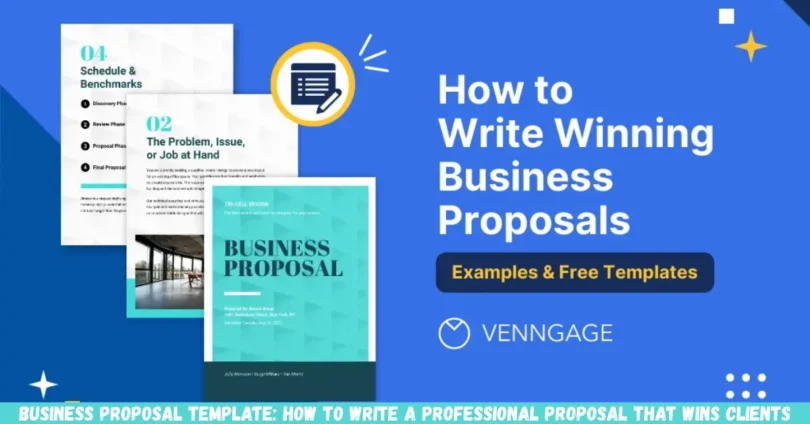
Business proposal template is a useful starting point for creating a professional document that explains your services, presents your ideas, and convinces potential clients to work with you. Whether you run a small business, offer freelance services, manage a startup, or work with corporate clients in India, a well-structured proposal helps you communicate your value clearly.
In this guide, you will learn what a business proposal template includes, how to write a compelling proposal, which sections to add, and how to avoid common mistakes. You will also find a practical example that you can adapt to your own business.
What Is a Business Proposal Template?
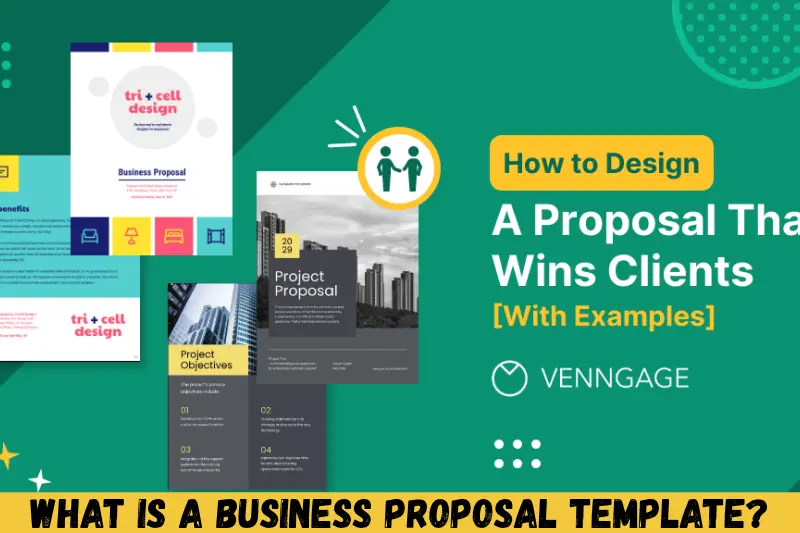
A business proposal template is a pre-designed document that helps businesses prepare proposals in a consistent and professional format. It provides a structure for explaining a client’s problem, presenting a solution, describing the services offered, and outlining the expected costs and project terms.
Instead of writing every proposal from scratch, you can use a template and customize it for each potential client.
A business proposal is commonly used by:
- Freelancers offering writing, design, marketing, or development services.
- Small businesses looking for new customers.
- Startups presenting business solutions to other companies.
- Consultants offering professional advice.
- Agencies pitching services to corporate clients.
- Suppliers responding to business requirements.
For example, a digital marketing agency in India can use a business proposal template to explain its SEO services, proposed deliverables, project timeline, pricing, and expected outcomes to a potential client.
Why Is a Business Proposal Important?
A business proposal helps potential clients understand what you offer, how your services address their needs, and what they can expect from working with you.
A clear proposal can make business discussions easier because both parties have a written reference for the project’s scope, costs, responsibilities, and deadlines.
1. Creates a Professional Impression
A well-organized proposal shows that you understand the client’s requirements and have considered how to meet them. Clear headings, accurate information, and consistent formatting make the document easier to review.
2. Explains Your Services Clearly
Clients need to understand exactly what they are paying for. Your proposal should explain the services included, the deliverables they will receive, and any exclusions or additional charges.
3. Helps Clients Compare Options
A proposal gives clients the information they need to evaluate your offer against other providers. Explaining your approach, experience, pricing, and service quality helps them make an informed decision.
4. Reduces Misunderstandings
Written project details can reduce confusion about deadlines, payment schedules, revisions, and responsibilities. Important contractual terms may still need to be documented in a separate agreement.
5. Supports Business Growth
Reusable templates make it easier to prepare consistent proposals for different prospects. You can spend less time formatting documents and more time understanding client needs and improving your offer.
What Should a Business Proposal Template Include?
A strong business proposal template should contain the sections needed to help a client understand and evaluate your offer. The exact structure depends on your industry, the size of the project, and the client’s requirements.
1. Proposal Title and Cover Details
Start with a clear title that identifies the proposal’s purpose.
Include:
- Proposal title.
- Your business or company name.
- Client’s name or organization.
- Proposal preparation date.
- Contact information.
- Proposal reference number, if applicable.
For example, a freelance designer might use the title “Website Design and Development Proposal for ABC Enterprises.”
2. Executive Summary
The executive summary provides a brief overview of your proposal. It should explain the client’s main requirement, your proposed solution, and the value of your services.
Keep this section concise and relevant. A busy client should be able to understand the main offer without reading the entire document first.
3. Client’s Problem or Requirements
Explain your understanding of the client’s needs before describing your solution.
For example, a business may need a website that loads faster, works well on mobile devices, and makes it easier for customers to contact the company.
Showing that you understand the problem makes your proposal more relevant than a generic list of services.
4. Proposed Solution
Describe how your business will address the client’s requirements.
Explain your approach, the services you will provide, and the main activities involved. Use straightforward language rather than complicated technical terms.
If you are offering SEO services, for example, your solution might include website audits, keyword research, on-page optimization, content recommendations, and performance reporting.
5. Scope of Work and Deliverables
The scope of work defines what your business will provide under the proposal.
List the main deliverables and clarify what is not included when necessary.
For a website development project, the scope might include:
- Website design for agreed pages.
- Mobile-responsive layouts.
- Contact form setup.
- Basic on-page SEO configuration.
- Testing before launch.
- Handover and basic training.
A detailed scope helps prevent disagreements about additional work and unexpected costs.
6. Project Timeline
Explain how long the work is expected to take and identify important milestones.
For example:
| Project stage | Estimated duration |
|---|---|
| Requirements and planning | 1 week |
| Design and client feedback | 1–2 weeks |
| Development or implementation | 2–3 weeks |
| Testing and final delivery | 1 week |
These durations are illustrative only. Actual timelines depend on the project’s complexity, resource availability, and how quickly the client provides feedback.
7. Pricing and Payment Terms
The pricing section explains the cost of your services and when payments are due.
Depending on the project, you may charge a fixed fee, an hourly rate, a monthly retainer, or milestone-based payments.
Clearly identify:
- Total estimated or fixed project cost.
- Applicable taxes, where relevant.
- Advance payment requirements.
- Payment milestones and due dates.
- Additional charges for work outside the agreed scope.
- Any relevant refund or cancellation terms.
For Indian businesses, state the currency clearly, such as INR, and explain whether quoted prices include applicable taxes. GST treatment depends on the nature of the supply and the supplier’s circumstances, so verify the applicable requirements before issuing a final quotation or invoice.
8. Company Background and Experience
Introduce your business and explain why you are suitable for the project.
You can include relevant experience, professional qualifications, case studies, and examples of previous work. Only include information you can substantiate.
If you are a new freelancer or startup, focus on your skills, process, understanding of the client’s needs, and ability to deliver the proposed work.
9. Terms and Conditions
Add the conditions that govern the proposed work.
These may cover project changes, client responsibilities, confidentiality, intellectual property, payment delays, cancellation, and dispute resolution.
Make sure these terms are consistent with any separate service agreement or contract. For high-value or legally complex projects, consider having a qualified legal professional review the terms.
10. Call to Action and Acceptance
Finish by explaining what the client should do next.
For example, ask the client to approve the proposal, confirm the scope, or schedule a meeting to discuss any changes.
If you include an acceptance section, provide space for the authorized representatives’ names, signatures, and dates where appropriate.
How to Write a Business Proposal Step by Step
Writing an effective proposal becomes easier when you follow a consistent process.
Step 1: Research the Client
Understand the client’s business, industry, goals, and specific requirements before preparing the document.
Review the information the client has shared and ask for clarification if important details are missing. Avoid making assumptions about their budget or expectations.
Step 2: Define the Main Objective
Identify the result the client wants to achieve.
The objective could be launching a website, improving search visibility, reducing operating costs, sourcing products, or implementing a new business process.
A clearly defined objective helps you keep the proposal focused.
Step 3: Prepare a Practical Solution
Explain the work you recommend and why it fits the client’s needs.
Break complex projects into manageable activities. Where relevant, explain the methods, tools, resources, and deliverables involved.
Avoid promising results you cannot guarantee.
Step 4: Calculate the Project Cost
Estimate the time, resources, materials, and other expenses required to complete the work.
Include a reasonable allowance for project management and clearly state assumptions that may affect the final price.
Make sure the proposed price supports your business costs while remaining appropriate for the project’s scope.
Step 5: Set Realistic Deadlines
Create a timeline that accounts for the work involved and the client’s responsibilities.
Mention dependencies such as receiving content, obtaining approvals, or accessing required systems. This makes it easier to understand why a deadline may change.
Step 6: Customize the Business Proposal Template
Use the template as a starting point, not as a finished proposal.
Replace generic wording with information about the client’s requirements. Remove sections that are irrelevant and add any details required by the industry or client.
Step 7: Review Before Sending
Check the document for spelling mistakes, inconsistent prices, unclear deliverables, and missing contact details.
Confirm that the proposal date, validity period, payment terms, and project timeline are correct.
Save the final document in a suitable format, such as PDF, unless the client requests an editable file or a specific submission format.
Free Business Proposal Template Example
The following sample provides a simple structure that you can copy into Microsoft Word, Google Docs, or another document editor and customize for your business.
Business Proposal
Prepared by: [Your Business Name]
Prepared for: [Client or Company Name]
Date: [Insert Date]
Proposal validity: [Insert Validity Period]
1. Executive Summary
Thank you for considering [Your Business Name] for your project. We have prepared this proposal to address your requirements and provide a practical solution based on your business objectives.
Our proposed services are designed to meet the agreed scope, timeline, and budget. The following sections explain the work involved, expected deliverables, pricing, and next steps.
2. Client Requirements
Based on the information provided, the client requires [describe the problem, business objective, or requested service].
The main objectives are:
- [Objective 1]
- [Objective 2]
- [Objective 3]
3. Proposed Services
We propose providing the following services:
- [Service or deliverable 1]
- [Service or deliverable 2]
- [Service or deliverable 3]
- [Reporting, support, or handover requirements]
Any additional work outside this agreed scope will be discussed and approved before it begins.
4. Project Timeline
The estimated project duration is [number of days or weeks], starting after the required approvals, initial payment, and materials have been received.
Estimated start date: [Insert Date]
Estimated completion date: [Insert Date]
The timeline may change if the scope changes or required client approvals are delayed.
5. Pricing and Payment Terms
Total proposed fee: INR [Amount]
Advance payment: [Amount or Percentage]
Remaining payment: [Payment Schedule]
Applicable taxes and additional expenses will be handled according to the agreed pricing terms and relevant requirements.
6. Why Choose Our Business?
[Your Business Name] focuses on delivering services that match the client’s requirements. Our approach includes clear communication, an agreed project scope, realistic deadlines, and updates throughout the engagement.
Relevant experience or examples of previous work can be provided where applicable.
7. Terms and Conditions
- Work will follow the agreed scope and deliverables.
- Changes to the scope may affect the price and timeline.
- The client will provide necessary information and approvals on time.
- Payments will follow the agreed schedule.
- Any additional terms will be documented in the applicable service agreement.
8. Approval and Next Steps
If this proposal meets your requirements, please confirm your acceptance so both parties can finalize the project arrangements.
Client name: [Insert Name]
Authorized signature: [Insert Signature, if applicable]
Date: [Insert Date]
Business representative: [Insert Name]
This sample is a starting point. Adapt it to the client’s actual requirements and make sure the pricing, deliverables, and terms are accurate before sending it.
Types of Business Proposal Templates
Different business situations require different proposal formats. Choosing the right template helps you include relevant information without making the document unnecessarily long.
Project Business Proposal Template
A project proposal explains the objective, scope, resources, budget, schedule, and expected deliverables of a particular project. It is useful for development work, business improvements, construction projects, and consulting engagements.
Sales Business Proposal Template
A sales proposal presents a product or service to a potential customer. It usually emphasizes the customer’s needs, product benefits, pricing, and purchase terms.
Service Business Proposal Template
A service proposal explains the work a service provider will perform. Freelancers, marketing agencies, IT companies, and consultants commonly use this format.
Partnership Business Proposal Template
A partnership proposal outlines a potential business collaboration. It may describe shared objectives, each party’s responsibilities, proposed contributions, commercial arrangements, and next steps.
Investment Business Proposal Template
An investment proposal presents a business opportunity to potential investors. Depending on the stage of the business, it may include the business model, market assumptions, financial projections, funding requirements, risks, and use of funds.
Financial projections should be based on reasonable assumptions and clearly identified estimates rather than presented as guaranteed results.
Business Proposal Template vs. Business Plan
A business proposal and a business plan serve different purposes. A proposal usually presents a specific offer to a prospective client or partner, while a business plan explains how a business intends to operate, develop, and achieve its broader objectives.
| Feature | Business proposal | Business plan |
|---|---|---|
| Main purpose | Present a specific offer or solution | Explain the overall business strategy |
| Primary audience | Potential clients or partners | Owners, lenders, investors, or management |
| Main focus | Scope, deliverables, costs, and timeline | Business model, market, operations, and finances |
| Typical use | Win a project or secure an agreement | Plan, launch, or grow a business |
| Length | Often concise and project-specific | Varies with business complexity |
Choose a proposal when you need to explain a particular offer. Choose a business plan when you need to document the broader direction and operating model of a business.
Tips for Creating a Winning Business Proposal
A professional proposal should make it easy for the client to understand the offer and decide what to do next.
Focus on the Client’s Needs
Explain how your proposed services address the client’s actual problem. Avoid spending most of the document describing your company without connecting your experience to the client’s objectives.
Use Simple and Direct Language
Write in clear sentences and explain technical terms when necessary. A proposal should be understandable to the person making the decision, even if they are not familiar with your industry.
Make Pricing Transparent
Clearly explain what the price includes and identify additional costs or assumptions. If you offer multiple packages, show the differences in deliverables and support.
Add Relevant Proof
Include genuine case studies, testimonials used with permission, portfolio samples, or relevant qualifications when available. Do not invent client results or make unsupported performance claims.
Keep the Design Professional
Use consistent fonts, readable headings, adequate spacing, and a simple layout. A polished document does not need excessive graphics or decorative elements.
Include a Clear Next Step
Tell the client whether you want them to approve the proposal, schedule a discussion, or provide missing information. Make the next action easy to understand.
Common Business Proposal Mistakes to Avoid
Even a well-designed proposal can be ineffective if important details are missing or unclear.
- Using the same proposal for every client: Generic documents may fail to address the client’s specific requirements.
- Leaving the scope unclear: Vague deliverables can create disagreements about what the quoted price covers.
- Offering unrealistic deadlines: A timeline that ignores approvals, resources, or project complexity can lead to delays.
- Hiding additional costs: Unexplained expenses may reduce client confidence and create disputes.
- Making unsupported promises: Avoid guaranteeing sales, rankings, profits, or other results that depend on factors outside your control.
- Ignoring proofreading: Incorrect names, dates, figures, or contact details can make a proposal look unprofessional.
- Using unclear payment terms: State when payments are due and what happens if the agreed scope changes.
- Forgetting to follow up: If appropriate, contact the client after sending the proposal to answer questions and clarify any concerns.
Reviewing these points before submission can help you create a more accurate, useful, and professional document.
Frequently Asked Questions
1. What is a business proposal template used for?
A business proposal template helps you present a business offer in a clear, organized format. It typically includes the client’s requirements, your proposed solution, scope of work, pricing, timeline, and terms. Businesses use it to pitch services, secure projects, present partnerships, and help potential clients understand the value of an offer.
2. Where can I create a free business proposal template?
You can create a free business proposal using document editors such as Google Docs or Microsoft Word, depending on the features available to you. Start with a simple structure, add your business details, and customize the content for the client. Save the completed document as a PDF when a non-editable version is appropriate.
3. How long should a business proposal be?
The ideal length depends on the complexity of the offer and the client’s requirements. A straightforward freelance proposal may need only a few pages, while a large corporate project may require more detail about implementation, risks, pricing, and responsibilities. Include enough information to support an informed decision without repeating the same points.
4. What is the difference between a business proposal and a quotation?
A business proposal explains the client’s requirements, your recommended solution, the work involved, and the value of your offer. A quotation primarily states the price for specified goods or services and may include related commercial terms. Some documents combine both, but a proposal usually provides more explanation of the approach and deliverables.
5. How do I make my business proposal more convincing?
Begin by showing that you understand the client’s needs. Present a practical solution, define the scope clearly, provide transparent pricing, and set realistic deadlines. Support relevant claims with genuine examples or qualifications, explain any important assumptions, and finish with a clear next step. Personalizing the proposal is generally more useful than adding unnecessary pages.
Conclusion
A business proposal template makes it easier to prepare professional proposals, explain your services, and present your offer clearly to potential clients. The most useful templates include an executive summary, client requirements, proposed solution, scope of work, project timeline, pricing, relevant experience, and terms and conditions.
For businesses and freelancers in India, it is also important to state prices clearly, consider applicable taxes, and document responsibilities and payment schedules accurately.